Ali Quidwai
AI Systems Engineer @ Icahn School of Medicine at Mount Sinai

I’ve always been drawn to building things that matter. After finishing my Computer Science degree in India, I joined Carcrew as Technical Lead—a scrappy automotive startup where I learned what it takes to ship products that real people use. I built the product and team from scratch—learning what it takes to ship fast and iterate faster. It was exhilarating, but something kept nagging at me: I wanted to go deeper.
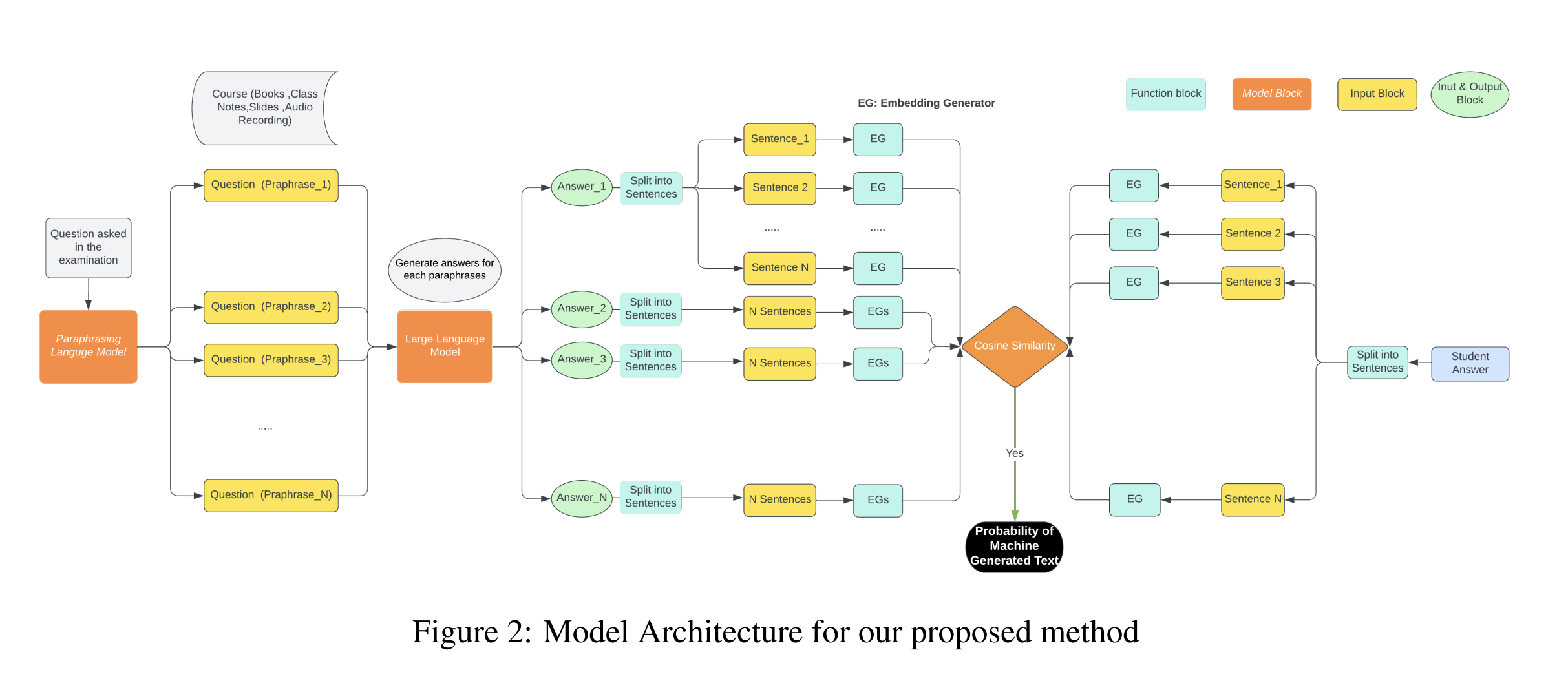
That pull brought me to NYU Tandon for my MS in Computer Engineering, where everything changed. Working with Prof. Dennis Shasha, Prof. Manpreet Katari, and Prof. Parijat Dube (IBM Research) opened my eyes to the beauty of deep learning—not just as a tool, but as a way of thinking about problems. As an Entrepreneurial Fellow, I conceptualized and built AYA, an EdTech startup that got selected for NYU’s Entrepreneurial Sprint (10 of 150). I published my first paper at ACL 2023 (BEA Workshop) on detecting AI-generated text. Graduated with Honors. But more importantly, I found my calling: using AI to solve problems where the stakes are real.
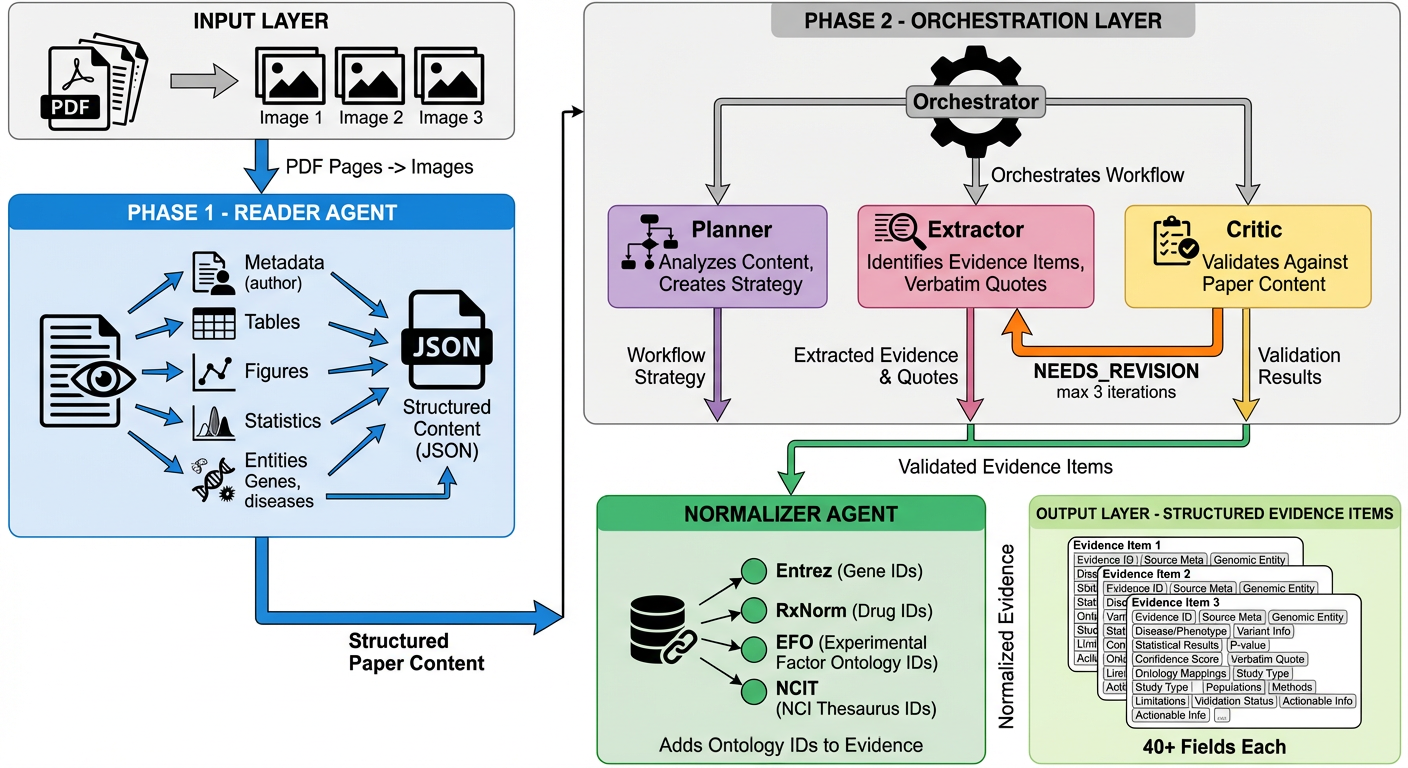
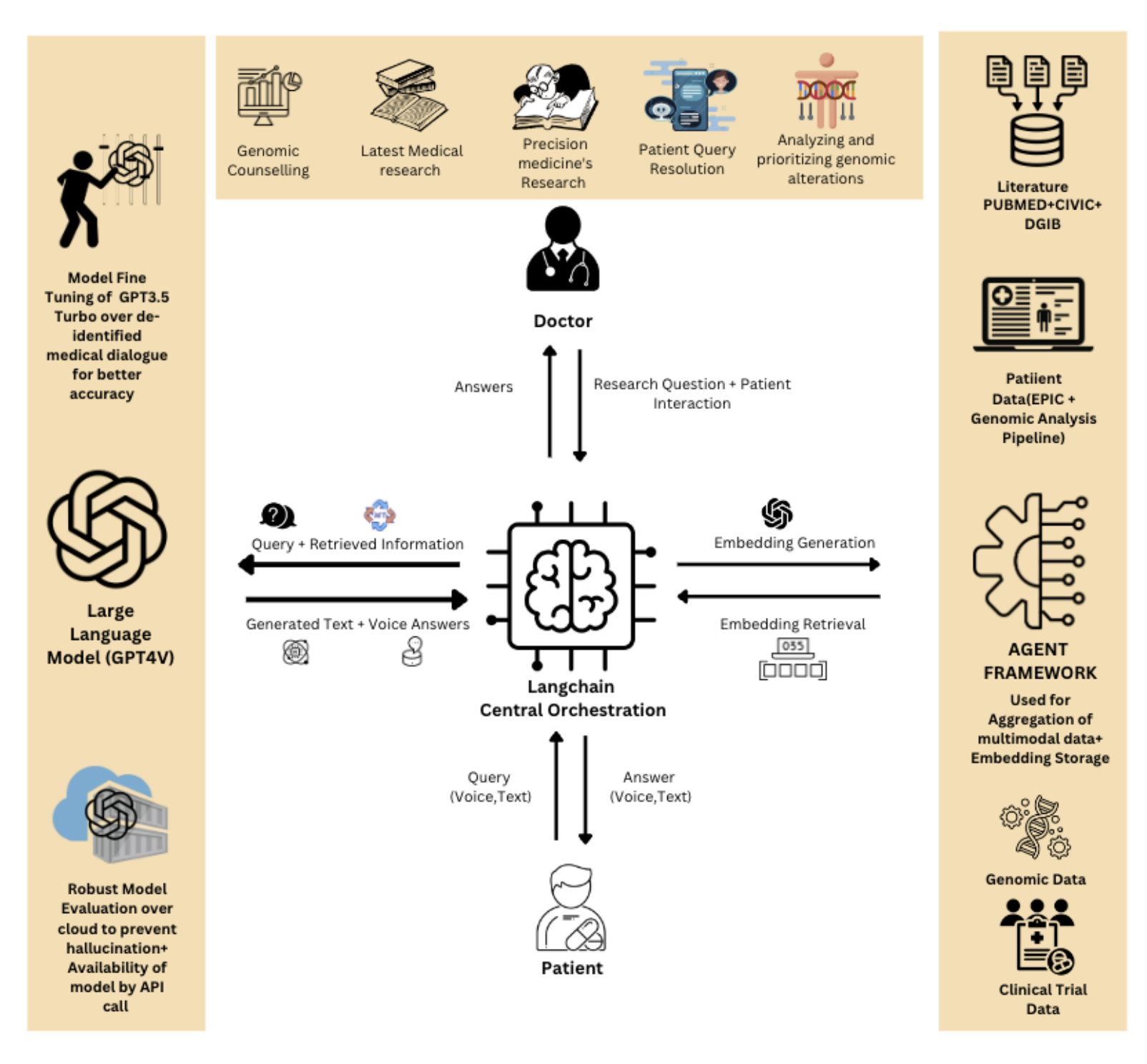
Now I’m at Mount Sinai, building AI systems for precision oncology. The work is hard—when a clinician uses your tool to make treatment decisions, there’s no margin for error. I’ve built multi-agent systems that extract genomic evidence (OncoCITE: 97.8% precision, submitted to Nature Cancer), GPU pipelines that turned week-long workflows into 3-hour runs (92.3% time reduction), and fine-tuned voice ASR for clinical terminology. Research includes a widely cited clinical RAG framework (35+ citations) and first-author work at ACL (BEA Workshop).
Outside of work, I’m focused on two things: open source and interpretability. I’ve built a lot of tools that stayed locked in production—this year I’m changing that. This site is where I’ll document what I’ve learned and release projects for others to use and improve. I’m also deep in the weeds of model interpretability, participating in SPAR and other AI safety programs. After years of making models work, I want to understand why they work—and when they don’t.
If you’re curious about multi-agent systems, clinical AI, or interpretability—I’d love to connect. The best ideas come from unexpected conversations.
news
| Jan 15, 2025 | Presenting OncoDIF and PRIME Model at ASH 2025 - our multi-agent framework for genomic curation and predictive relapse indicators for myeloma patients receiving T-cell engagers. |
|---|---|
| Jan 10, 2025 | OncoDIF published in Blood 2025 - An auditable AI framework for automated genomic curation achieving 97.8% precision in novel discovery with 0% critical errors. |
| Mar 14, 2024 | RAG Chatbot for Multiple Myeloma preprint on medRxiv - Now at 36 citations. Production RAG system for precision medicine achieving 88% effectiveness. |
latest posts
| Jan 16, 2026 | Why I'm Finally Building in Public |
|---|---|
| Jan 16, 2026 | MedGemma 1.5: Google's Open Medical AI Just Got Serious |